
Global Partnerships and Collaboration
Sustainable development requires collaboration across countries, institutions, and communities. Global frameworks can establish shared priorities, but progress depends on how those priorities are translated into action in different contexts.
STAND works to advance the United Nations Sustainable Development Goals through international collaboration, education, research, student-led advocacy, and practical implementation initiatives. Our global work focuses on the relationship between sustainability, food security, equitable access to food, and the participation of young people and communities in shaping the systems that affect them. We engage with international policy processes and civil-society networks, contribute youth perspectives to wider discussions about sustainable development, and explore how global goals can be connected with local implementation.
Through engagement involving the United Nations system, civil society, the Food and Agriculture Organization, and other NGOs working on food systems and environmental sustainability, STAND seeks to connect research, education, advocacy, and community experience with broader efforts to advance the SDGs.
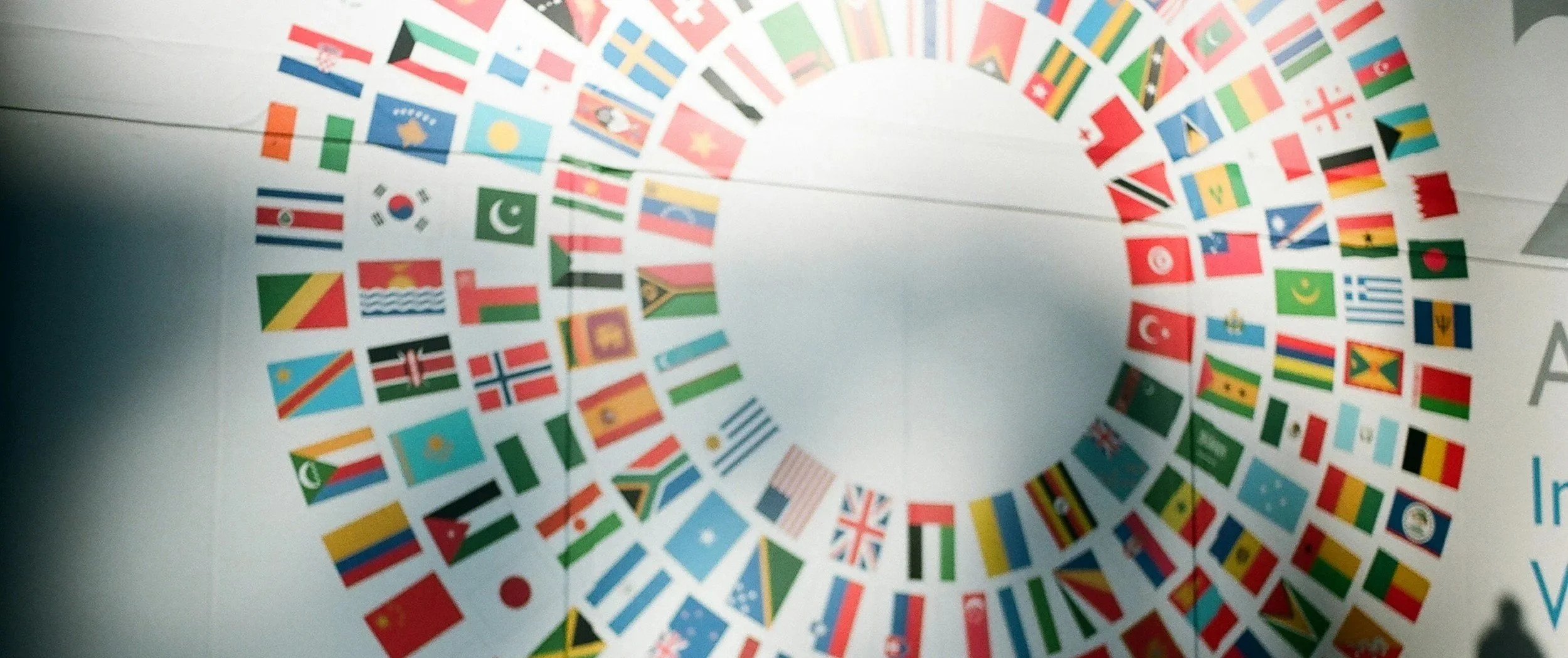
United Nations Civil-Society Engagement
STAND engages with UN-related processes and civil-society networks to contribute youth perspectives to discussions on sustainable development, food systems, and environmental sustainability.
Our engagement includes work connected with the UN Department of Global Communications, UN climate processes, and opportunities for youth and civil society to participate in international discussions.
We are particularly interested in how international commitments translate into implementation, how young people can contribute beyond awareness-raising, and how local experience can inform wider policy conversations.
FAO and Global Food-System Policy
STAND contributes as a civil-society organization to work connected with FAO's Global Roadmap for achieving the Sustainable Development Goals. Our broader engagement focuses on food security, sustainable food systems, and the role of youth and communities in implementation. We connect with community organizations internationally, acting as a focal point to FAO.
We are also developing a policy proposal concerning FAO's State of Food and Agriculture (SOFA) work. The proposal explores how plant-forward food systems, student and community participation, and youth-led implementation could be integrated into future food-system research and policy discussions.
This work considers sustainability alongside nutrition, affordability, agricultural systems, regional food cultures, livelihoods, and the practical conditions that shape implementation. Our aim is to contribute a more implementation-focused perspective on how food-system transformation can support equitable and sustainable outcomes.
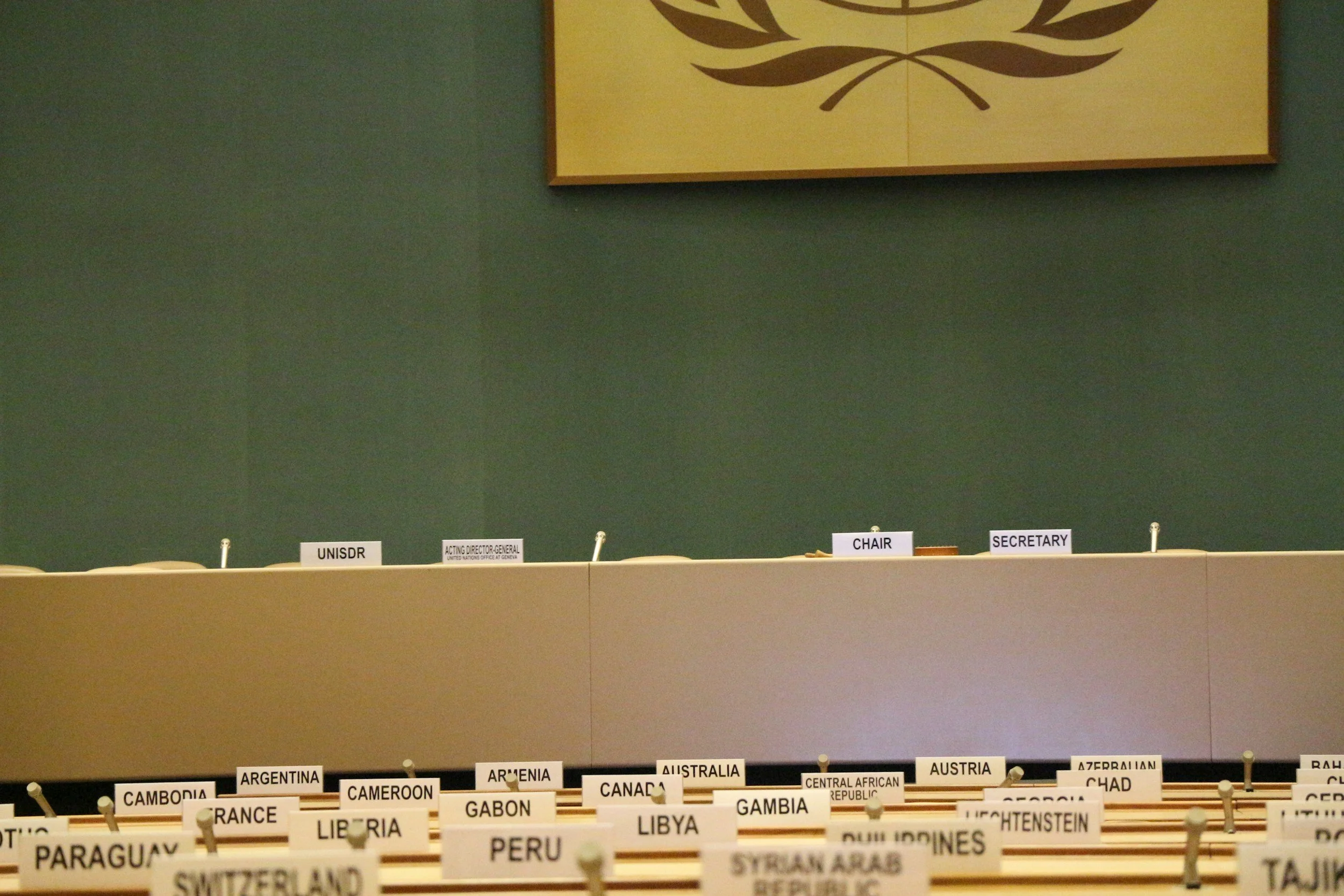
UNEP and Environmental Sustainability
STAND's engagement with the United Nations Environment Programme connects our work with wider environmental sustainability priorities. Through UNEP Youth Major Group accreditation, we seek to contribute to civil-society engagement and initiatives relevant to sustainable development.
Our interests include sustainable consumption and production, food-system sustainability, environmental education, and youth participation in environmental action. We also leverage our connections to work with scouts and youth interested in creating meaningful change.
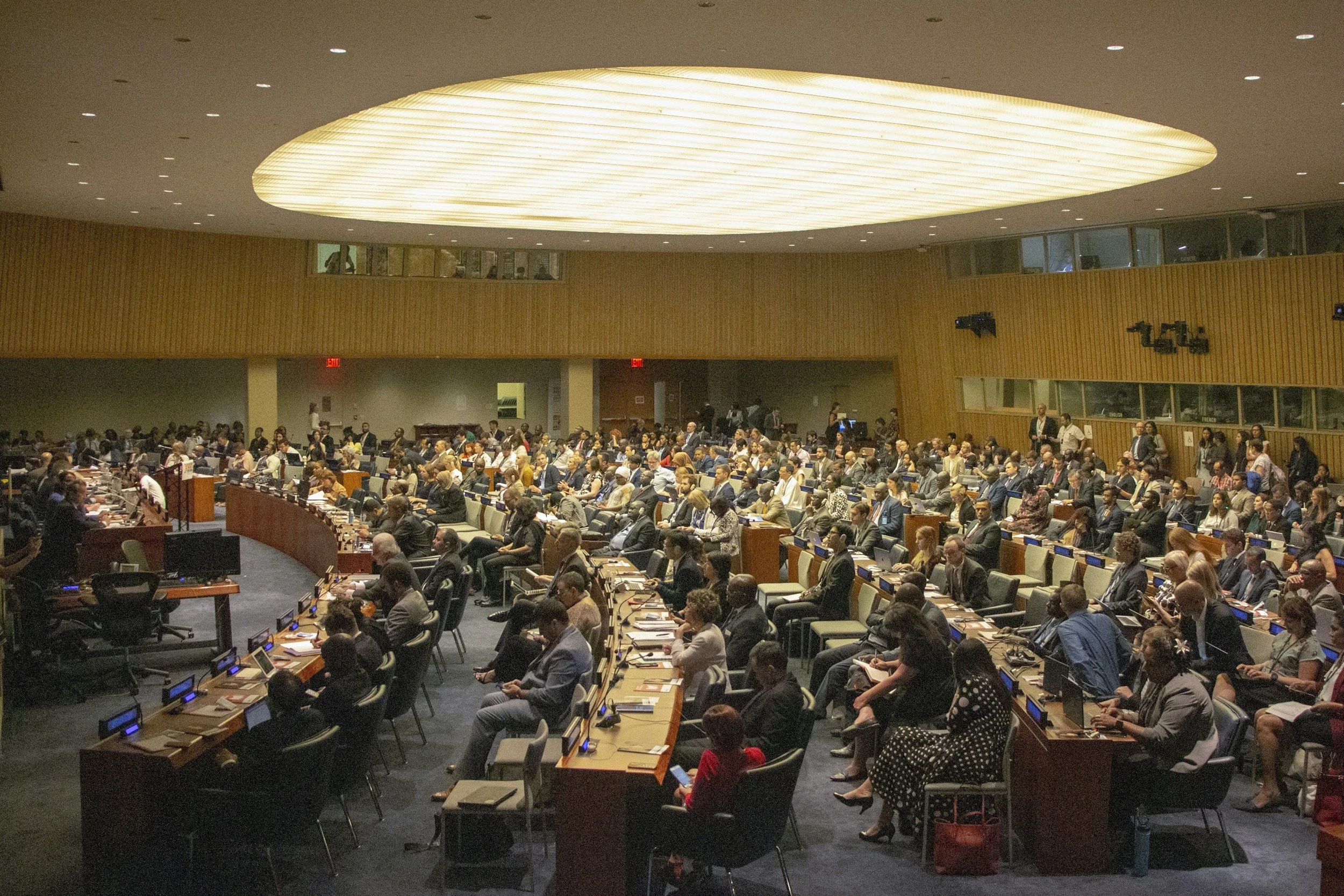
UN Sustainable Development Forums and Youth Participation
STAND engages with international discussions connected with sustainable development, including the High-Level Political Forum on Sustainable Development (HLPF) and the ECOSOC Youth Forum.
Through these spaces, our work connects youth perspectives with discussions about SDG implementation, food security, environmental sustainability, and the role of civil society.
We are interested in ensuring that youth participation contributes to substantive policy discussions and implementation, rather than ending at representation alone. This includes connecting global priorities with the experiences of students and communities working on sustainability at the local level.
Youth, Peace and Security and Meaningful Youth Participation
STAND's engagement with Youth, Peace and Security discussions reflects our broader interest in how young people can contribute meaningfully to policy development and implementation.
This work has included engagement around the development of youth-focused policy and federal Youth, Peace and Security legislation, including attention to measurable youth contributions, accountability, and the structures needed to support participation.
These questions also inform our sustainable development work. Youth participation is most effective when young people have the resources, opportunities, and institutional pathways to contribute to decisions and help implement solutions.
UNA-USA Affinity Group Engagement and Access
STAND engages with the United Nations Association of the United States of America (UNA-USA) through its affinity group network and Global Goals initiatives. Through this engagement, STAND connects youth-led work on SDG 2, Zero Hunger, with broader conversations about food security, sustainable food systems, and the implementation of the Sustainable Development Goals.
We utilize these networks to strengthen access to discussions, resources, and collaboration opportunities relevant to our work on food systems, sustainability, and equitable access to nutritious food.
Community Food Security and School-Based Projects
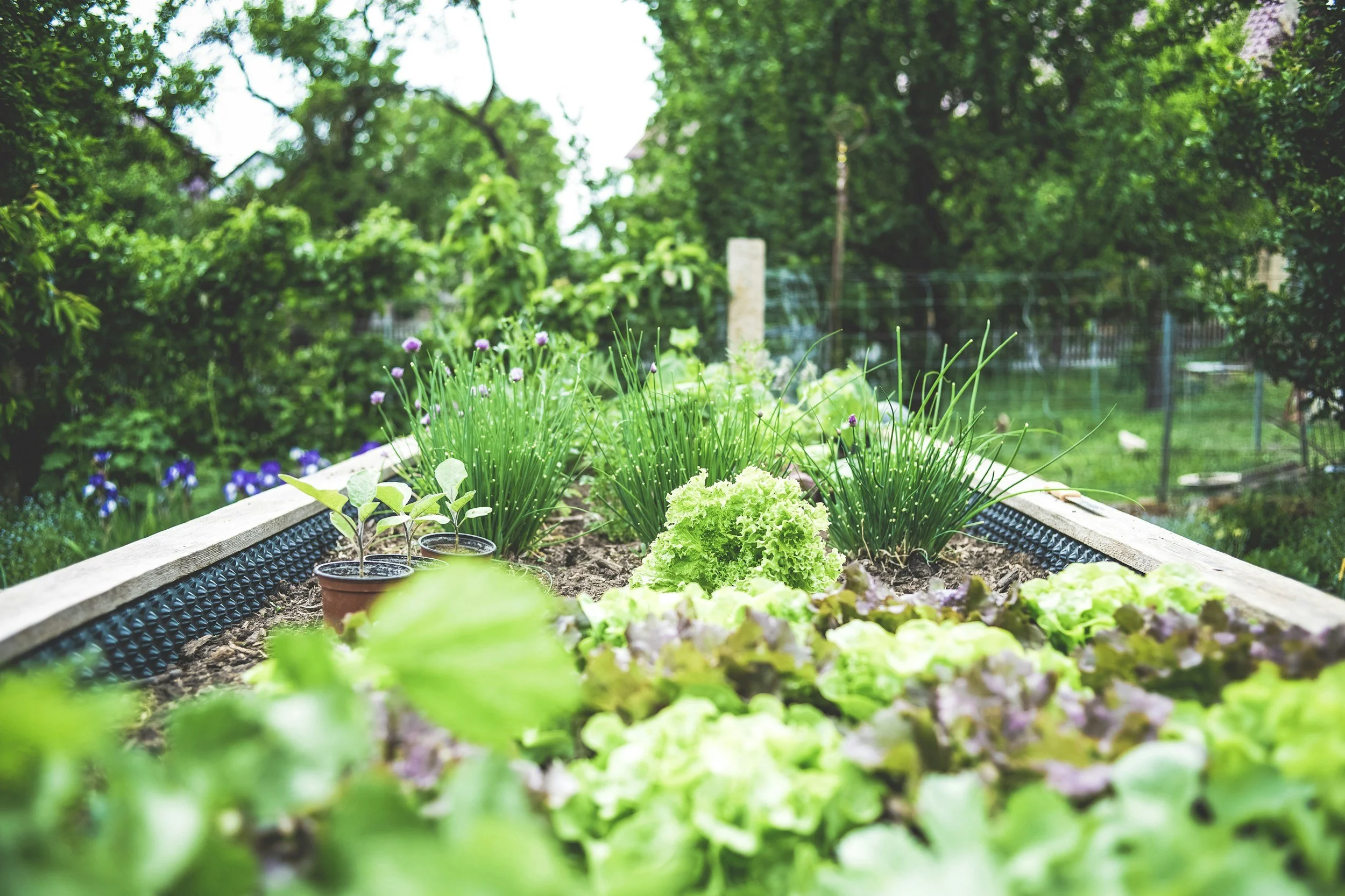
STAND works to connect global food security goals with projects that respond to the needs of individual schools and communities. Through school-based initiatives and international collaboration, we explore how communities can improve access to nutritious food, strengthen food-system education, and develop locally relevant approaches to sustainable food systems.
Our work includes developing school-based project ideas and implementation plans in countries including Kenya and Ghana. These projects consider how school food systems can support students and communities while accounting for local agricultural systems, food availability, cultural context, and economic realities.
STAND’s approach centers student participation and community involvement in developing solutions. By connecting local priorities with broader sustainable development goals, we aim to support practical, community-driven approaches to food security, equitable access to food, and long-term sustainability.