Welcome to STAND
Empowering the next generation of leaders, one step at a time
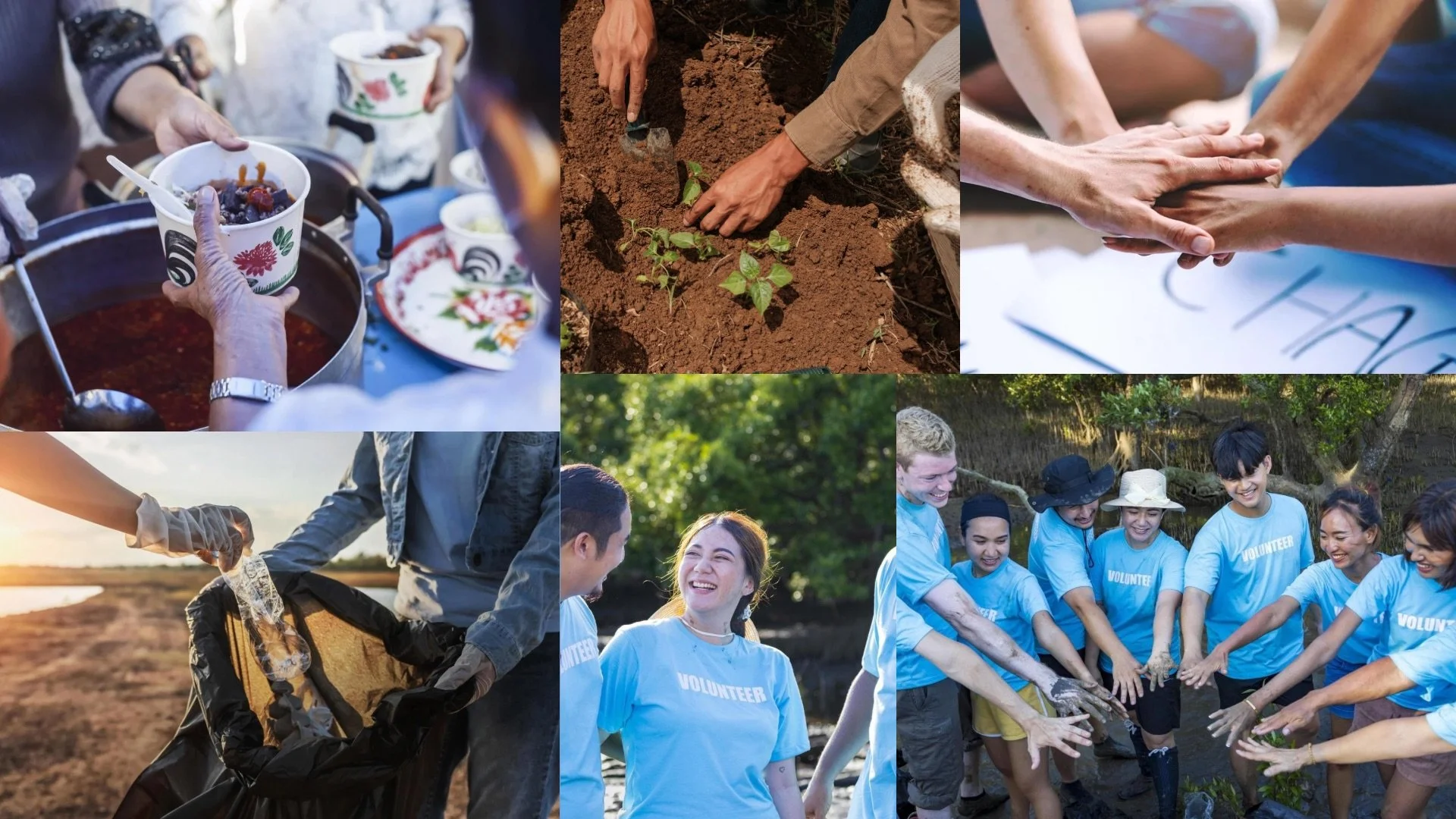
STAND is a youth-led organization advancing sustainable development through education, research, policy advocacy, and practical implementation. We work to connect the United Nations Sustainable Development Goals (SDGs) with the decisions, institutions, and communities that shape people's everyday lives.
Our work spans school districts, student organizations, community initiatives, public policy, and international engagement. In the United States, we focus on school food systems, plant-forward implementation, school district partnerships, student-led community advocacy, and legislation. Internationally, we work to advance the SDGs through research, educational initiatives, plant-forward food systems, and youth participation in sustainable development.
We believe that achieving a sustainable future requires more than setting goals. It requires education, collaboration, locally informed solutions, and meaningful opportunities for young people and communities to participate in the decisions affecting them.
Turning Global Goals Into Meaningful Action
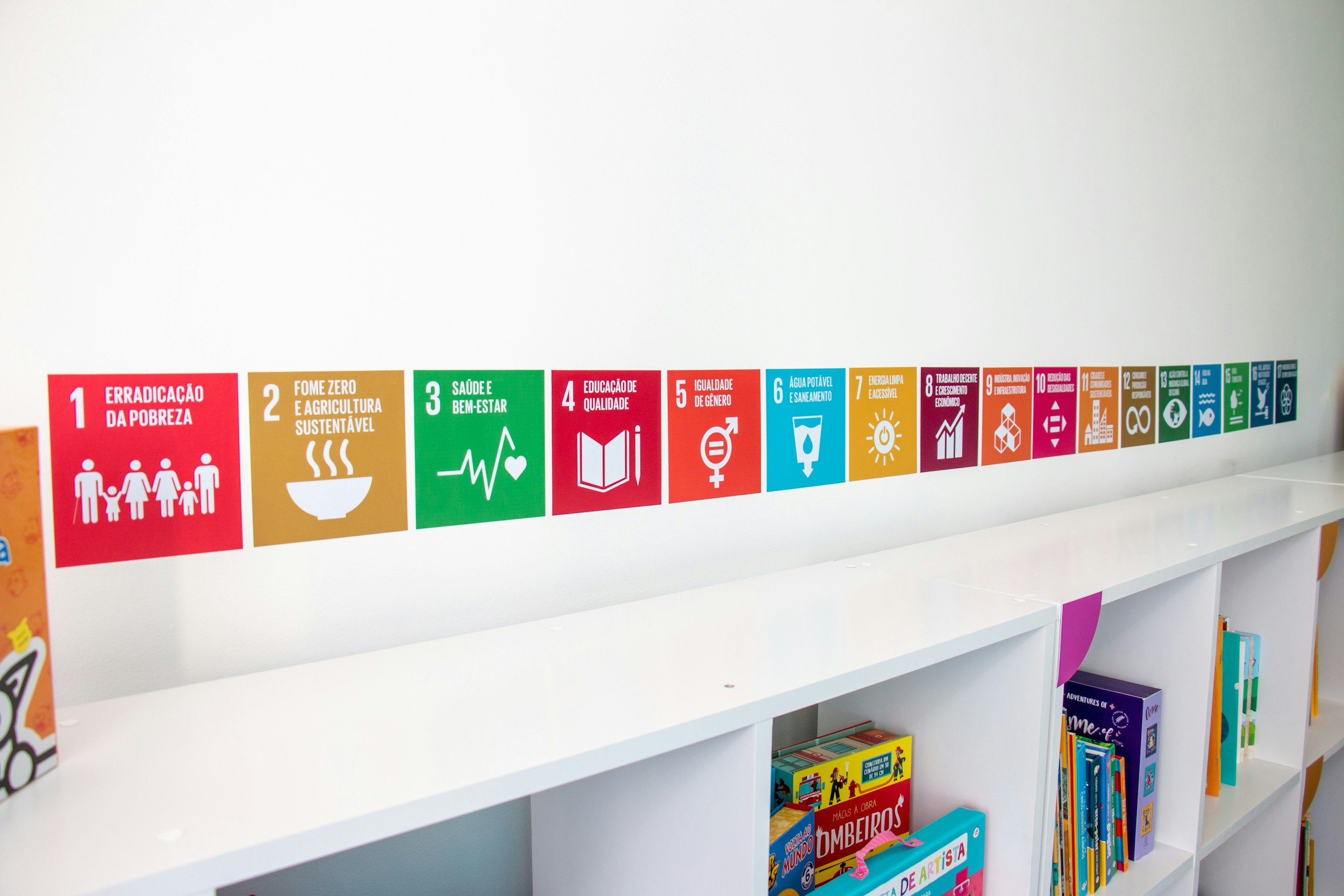
The United Nations Sustainable Development Goals provide a shared framework for addressing some of the world's most pressing challenges, including hunger, inequality, environmental degradation, and unsustainable patterns of production and consumption.
But global goals do not implement themselves. Progress depends on how these priorities are understood, adapted, and carried out by schools, governments, community organizations, institutions, and the people whose lives are affected by policy.
STAND works at the intersection of these levels.
We connect education about global challenges with opportunities to investigate local problems, develop practical initiatives, engage decision-makers, and contribute to broader policy conversations. Our work brings together students, educators, community organizations, and policy partners to explore how sustainable development can be advanced in different settings.
STAND's approach recognizes that communities have different needs, resources, cultures, and priorities. Effective implementation requires understanding those differences and working with the people and institutions involved, rather than assuming that the same solution will work everywhere.
Our Mission
STAND's mission is to educate, empower, and connect young people and communities through small scale implementation projects to make tangible impact, sustainable development initiatives, research, advocacy, and collaboration.
We create opportunities for students to build knowledge, contribute to policy discussions, participate in community projects, and help translate sustainability goals into practical action. Through collaboration with schools, community organizations, public institutions, and international partners, we work to strengthen the connection between education, participation, and implementation.
How We Work
Education
Education is central to STAND's approach. Understanding a challenge is an important first step toward addressing it, but people also need the knowledge and resources to evaluate potential solutions and participate in implementation.
We develop and integrate educational resources that connect sustainability and the SDGs with food systems, public policy, environmental action, and community participation. Our educational work draws on multiple sources and perspectives so that students can investigate the relationships between environmental, social, economic, and institutional factors.
We support learning through curriculum, workshops, research activities, discussions, and opportunities to apply knowledge to real-world questions.
Research and Policy
Sustainable development challenges rarely have simple solutions. A policy may establish a goal, but implementation can depend on funding, procurement, institutional responsibilities, community priorities, and existing systems.
STAND uses research to examine these conditions, understand policy frameworks, identify implementation barriers, and explore practical recommendations.
Our work includes school food policy, municipal plant-forward implementation, sustainable food systems, youth participation, and international SDG implementation. We are interested in how policies work in practice, how different approaches can be adapted across communities, and how research can inform advocacy and decision-making.
Implementation
We seek to connect research and education with practical action.
Depending on the context, this may involve developing a school initiative, supporting a district's exploration of plant-forward procurement, creating educational activities, coordinating community engagement, contributing to a policy proposal, or investigating a local implementation opportunity.
We recognize that implementation looks different across institutions and communities. Our work considers local circumstances and seeks to identify approaches that are feasible, relevant, and responsive to the people involved.
Youth Participation and Advocacy
Young people are directly affected by decisions about food, education, environmental sustainability, and the future of their communities. They also bring experiences, questions, and perspectives that can contribute to policy development and implementation.
STAND works to create opportunities for students to participate in school and community initiatives, engage with decision-makers, contribute to research, and take part in advocacy.
We support youth participation that is informed, collaborative, and connected to practical opportunities to influence outcomes.
Collaboration
Sustainable development requires cooperation across disciplines, institutions, and communities.
We work to connect students with educators, community organizations, researchers, school leaders, public institutions, and international networks. Collaboration helps bring different forms of knowledge together, identify shared priorities, and build initiatives that reflect the needs of the people they are intended to serve.
Our Work in the United States
School Districts, Student Advocacy, and Plant-Forward Implementation
In the United States, STAND focuses on the institutions and communities where students can participate in practical sustainability work.
STAND works to develop school and district partnerships that can help explore plant-forward food options, procurement opportunities, educational initiatives, and implementation barriers. Our U.S. school partnership work includes connecting relevant partners and exploring grant opportunities to support procurement and implementation.
We also work with students on community advocacy, environmental education, policy engagement, and legislation. Through educational resources, workshops, and student-led projects, we aim to help young people understand how decisions are made and how they can contribute to change.
Our U.S. work includes adapting the Plant Based Treaty to school settings, supporting student participation in school food discussions, exploring plant-based milk access and plant-forward meal options, and connecting local priorities with broader policy advocacy.
If you want to stay in the loop, please sign up for our newsletter.
Sign up to be the first to know about events.